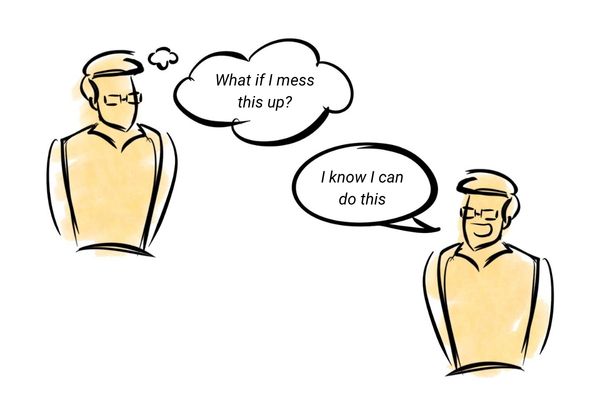
From fear of presenting to confidence at work
What was keeping Jake stuck?
When Jake came to coaching, he was thriving in many aspects of his role, but one challenge overshadowed everything else: presenting to colleagues.
The thought of standing up in front of others caused intense anxiety. Years earlier, a presentation at school had gone badly, and ever since he had carried the fear that if he made a mistake, people would think he wasn't intelligent or capable.
To protect himself, he had developed subtle ways of avoiding vulnerability. He often relied on humour, appeared more confident than he felt and redirected attention away from himself whenever possible. While these strategies helped in the short term, they also prevented others from seeing what he was truly capable of.
What did Jake discover about himself?
Together, we explored what was driving his anxiety rather than simply trying to improve his presentation technique.
He realised that underneath his fear was a deep desire to be respected for doing good work and to feel valued by the people around him. Once he understood this, his anxiety began to make sense rather than feeling like something he simply had to "get over."
We also identified the conditions in which he performed at his best. He recognised that having time to prepare and receiving constructive, encouraging feedback from his manager gave him the confidence to communicate more effectively.
Instead of trying to become a different kind of presenter, he learned how to present in a way that worked for him.
What became possible because of that?
As Jake's confidence grew, presenting no longer felt like something to avoid.
He began delivering presentations with greater clarity and confidence, trusting his knowledge rather than worrying about how others might judge him.
Most importantly, he no longer felt he had to hide behind humour or perform a version of himself that wasn't authentic. His expertise became visible, allowing others to recognise the thoughtful, capable professional he had always been.
By understanding how he worked best, both Jake and his manager were able to create the conditions that allowed his strengths to become visible.