From quiet in meetings to confident contribution
What was keeping Liam stuck?
Liam had joined the organisation as a graduate and quickly proved himself to be thoughtful, reliable and technically capable. His manager knew he had good ideas, but they rarely heard them.
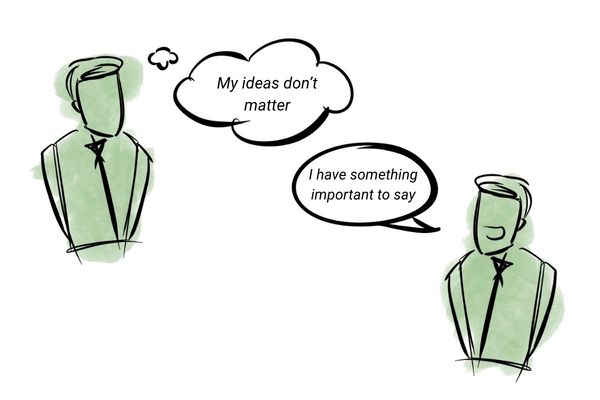
In meetings, Liam often needed a little more time to process information before contributing. By the time he had organised his thoughts, the conversation had usually moved on. He would leave meetings frustrated, replaying what he wished he had said and worrying that colleagues assumed he had little to contribute.
Over time, his confidence declined. The quieter he became, the more invisible he felt.
What did Liam discover about himself?
Together, we explored how Liam naturally processed information and communicated best.
Rather than seeing his need to think before speaking as a weakness, Liam began to recognise it as one of his strengths. His ideas were thoughtful, well considered and often added significant value—they simply weren't being heard in fast-moving meetings.
We also explored how to communicate this to his manager. Liam found the confidence to explain that he often needed a little more thinking time before contributing and that, when given the opportunity, he had valuable ideas to share.
This opened up productive conversations about how meetings could better play to his strengths, rather than expecting him to communicate in exactly the same way as everyone else.
What became possible because of that?
As Liam became more confident in articulating what helped him perform at his best, his manager began creating opportunities for his voice to be heard. This included sharing agendas in advance, inviting his views during discussions and recognising that a brief pause often led to thoughtful, high-quality contributions.
Instead of leaving meetings feeling overlooked, Liam became a visible and valued contributor whose ideas increasingly shaped team discussions.